

Meet the opposition before the court does.
Stress-test your arguments, anticipate opposing counsel’s moves, and walk into the courtroom better prepared.
Courtroom Simulator
Configure hearing & enter the bench
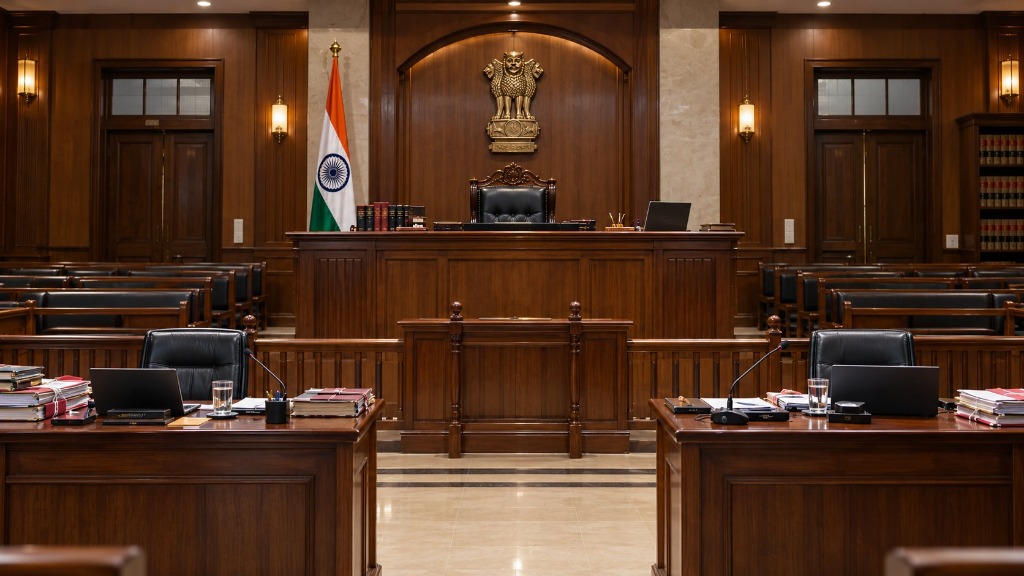
Three seats,
one hearing.
In the product the courtroom is a 3D scene with three animated participants who speak and gesture. You speak your argument aloud, press Finish when your turn is done, and a speech to text transcript builds on the right.
You, as counsel
Present your case in your own voice. When you have said what you came to say, press Finish and Arjun takes the floor.
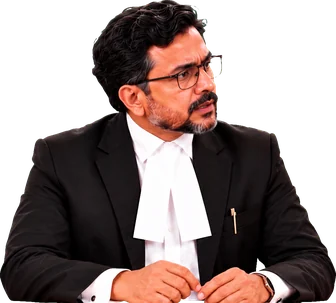
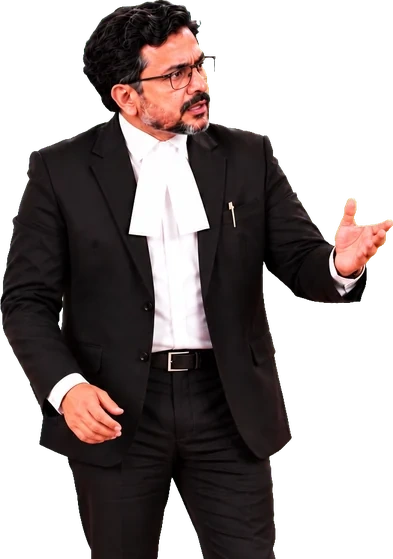
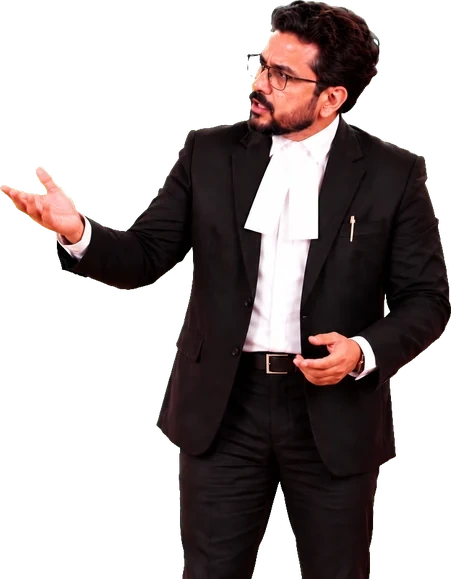
Arjun, opposing counsel
Listens to your argument and answers it with counter arguments on the case and the law. It is there to test your position, not to agree with it.
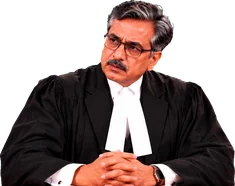
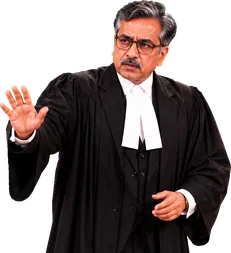
The AI judge
May step in and question either side: the legal basis of a point, a fact you asserted, the relevance of an authority. You cannot script it, which is why it prepares you.
Two ways to take your seat.
Both begin with the same setup. The difference is where the case comes from.
Upload your case file
1Drop the FIR, petition or notice as a PDF, DOCX or image. Mira reads the parties, sections and facts for you.
Describe and pick your role
2Add a short case summary and choose Defence, Prosecution or Judge. The court is set up around your matter.
Argue before the bench
3Stand up and argue by voice or text. Opposing counsel objects, cites sections, and the judge questions you live.
Review your feedback
4Get a scored report on reasoning, citations and tone. Download it, or continue the appeal for another round.
Arjun challenges the argument.Kiki helps you investigate how to improve it.
Kiki is built into Arjun. It receives the context of your session, so you can ask follow up questions without explaining the case from scratch.
I reviewed your hearing transcript from Session #412 where opposing counsel (Arjun) challenged your submission at timestamp 06:14. Here is why Arjun's objection succeeded and how to fix your argument:
1. Why Arjun's Challenge Succeeded
When opposing counsel moved for police remand, you argued that arrest was illegal because no prior notice of appearance was issued under Section 35(3) of the BNSS, 2023 (formerly Section 41A CrPC).
Arjun countered:
"Notice is not mandatory where the investigating officer records reasons that arrest is necessary to prevent tampering with electronic records or flight risk under Section 35(1)(b) BNSS."
The bench sustained Arjun's objection because you did not challenge the reasons recorded in the case diary—you only argued the absence of notice.
2. How to Overcome Arjun's Argument Next Time
To win this point in your next round against Arjun:
- Shift the Attack to the 'Objective Material' Behind the Reasons: Under Satender Kumar Antil v. CBI, (2022) 10 SCC 51, reasons recorded under Section 35(1)(b) cannot be a mechanical regurgitation of statutory phrases. The IO must show tangible material justifying the apprehension.
- Cite the Pre-Seizure Panchnama: Since the digital devices were already impounded under seizure memo (as recorded at minute 02:40 of your simulation), argue that the pretext of "tampering" is rendered factually baseless.
- Exact Oral Submission for Your Next Hearing:
"My Lord, opposing counsel argues the IO recorded subjective apprehension under Section 35(1)(b). However, the Constitution Bench in Arnesh Kumar and reaffirmed in Antil holds that reasons must be based on verifiable facts, not boilerplate suspicion. All digital records were deposited in the malkhana prior to arrest. Continued detention is purely punitive."
During our hearing, Arjun objected that our Section 35 notice argument was premature because the offence carries up to 7 years imprisonment. Why did the bench side with Arjun, and how do I fix my argument?
Arjun relied on Section 27 IEA / Section 23(2) BSA to introduce the recovery memo of the iron rod from the open field. The bench seemed persuaded. How do I dismantle Arjun's position?
I claimed parity with co-accused Rahul who was granted bail last week, but Arjun distinguished his role by arguing my client was the conspirator. What binding precedents can I cite to defeat Arjun's objection?
- 1
Practise
Argue against Arjun
- 2
Receive feedback
Score and observations
- 3
Research further
Ask Kiki with context
- 4
Improve your arguments
Fix what the report found
- 5
Practise again
Resume or start fresh
Practise
Argue against Arjun
Receive feedback
Score and observations
Research further
Ask Kiki with context
Improve your arguments
Fix what the report found
Practise again
Resume or start fresh
Different preparation, same courtroom.
Pick a role to see how a session fits the work you actually do.

Test the submission before it is tested for you.
Run a submission against a counter argument and a judge's questions. Find the weak joint while finding it costs nothing.
The session ends. The learning does not.
Press Finish Session and Arjun scores the practice out of 10, then explains the score. You see what worked, what did not, and what to do differently next time.
SAMPLE REPORT
Score from a practice simulation. It is not an evaluation of anyone's professional competence.
WHAT WORKED
Argument structure
You led with intention and tied each point back to it.
Responses to the bench
You answered the judge's question with a specific fact, not a general claim.
WHAT TO FIX
Quality of legal research
No authority was cited for the sudden quarrel point. Name the provision you rely on.
Responses to opposing arguments
You did not answer the inference from the weapon used. Address it directly.
Tone and delivery
Your pace rose when the judge pressed you. Slow down on the key fact.
What Arjun is, and what it is not.
A practice room should be clear about its limits. These are ours.
A practice room
Sessions are simulations. A fictional scenario is not a real case or judgment, and no real judge takes part.
Not a forecast
Arjun does not predict judicial decisions or promise any outcome in a real matter.
Not a replacement
It does not replace an advocate or professional judgement.
Scores in context
A score out of 10 and the feedback come from a practice simulation. They are not an assessment of professional competence.
Check the sources
Citations link to source documents so you can inspect them. AI can still make mistakes, so verify authorities before relying on them.
Demonstrations
The courtroom preview and the sample report on this page are illustrations. They are not live sessions.
Arjun prepares you for court. Kiki researches. Mira drafts
Each agent has one job. Salhakar offers them as parts of one legal technology platform.
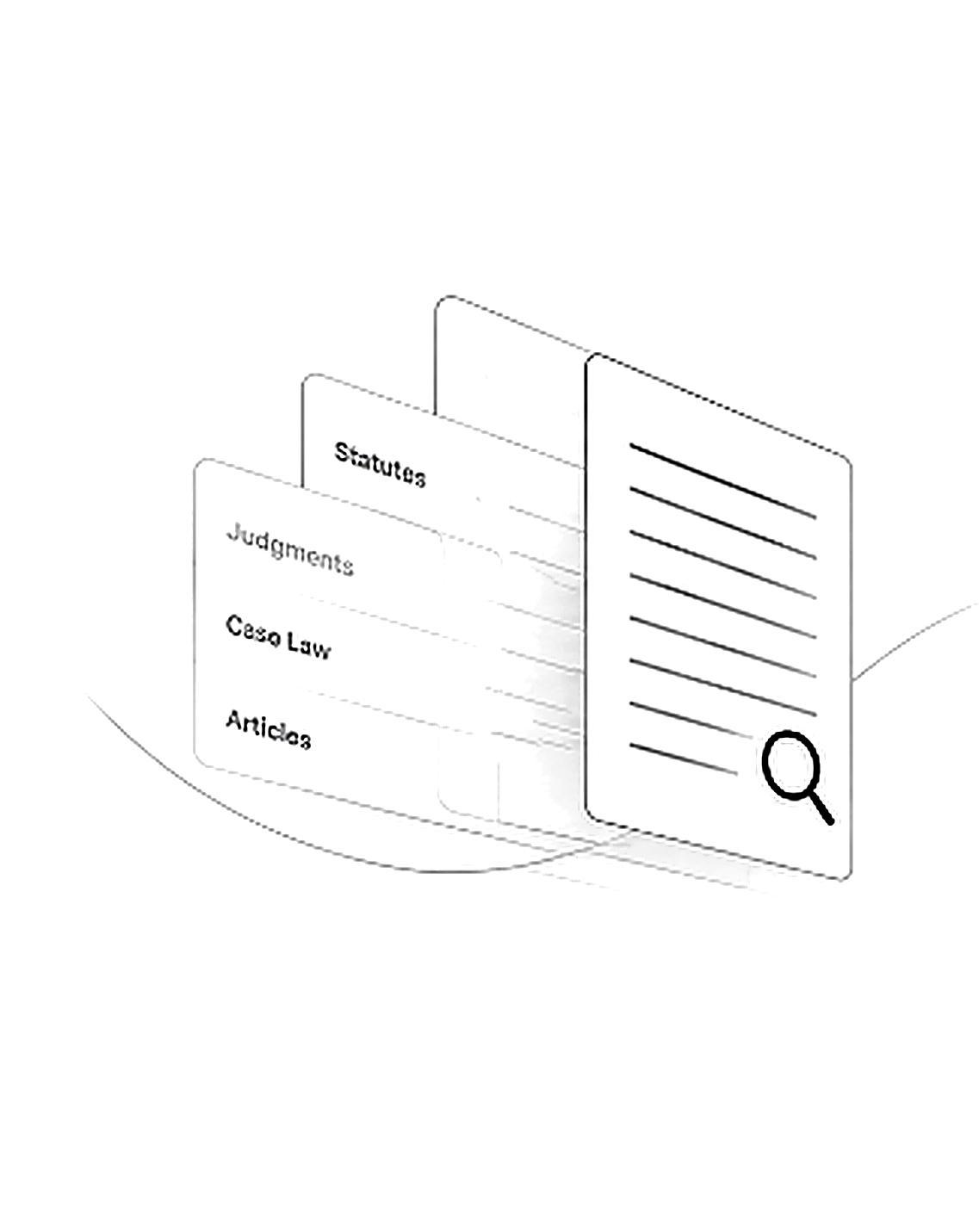
Legal Research Agent
Kiki
Research Indian law, find relevant judgments, compare authorities, and get source-backed answers across millions of legal documents.
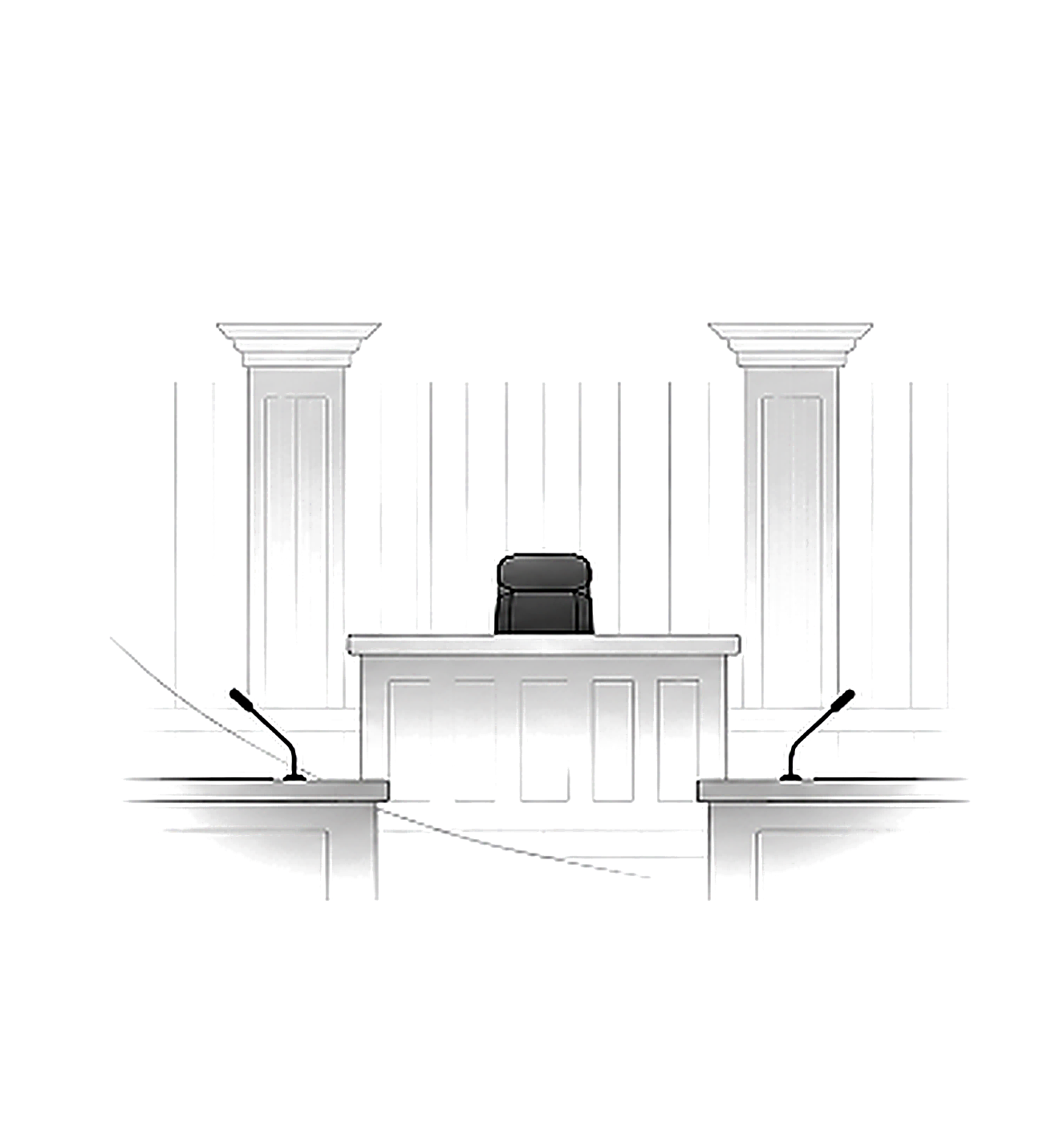
Litigation and Courtroom Agent
Arjun
Practice arguments, anticipate objections, analyse precedents, and prepare your courtroom strategy.
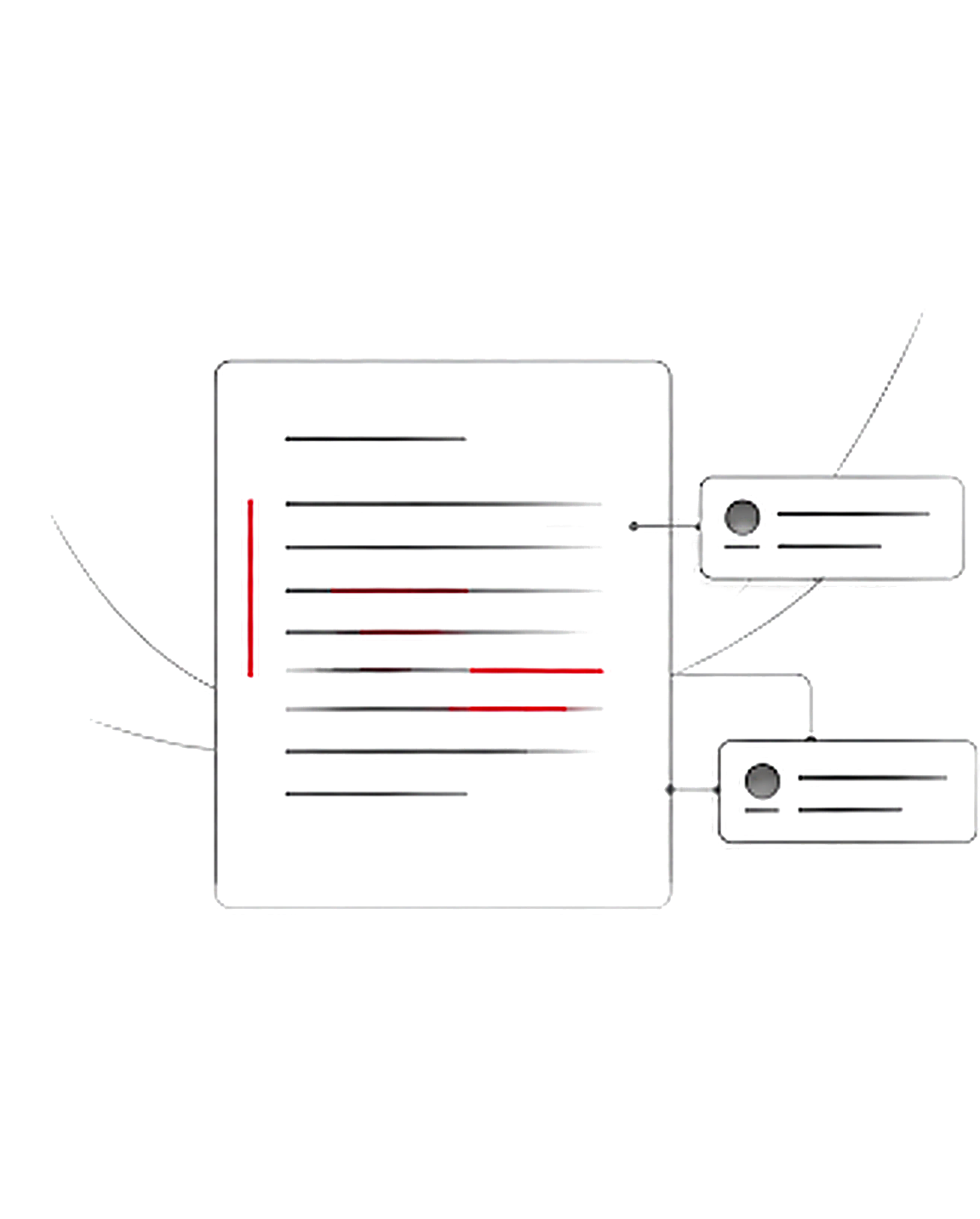
Legal Drafting Agent
Mira
Generate drafts from instructions, review uploaded documents, identify potential issues, and refine the final document with your approval.
FAQs
Arjun is Salhakar's courtroom simulation agent, designed to help legal professionals practise arguments, explore opposing perspectives, and prepare for courtroom discussions through AI-assisted legal simulations.